Buying your first home in Warwick can feel exciting and a little overwhelming at the same time. You may be wondering how much home you can afford, what types of homes you will actually see here, and how to avoid surprises once you are under contract. This guide walks you through Warwick’s market, local housing options, buyer programs, and key due diligence steps so you can move forward with more confidence. Let’s dive in.
Why Warwick draws first-time buyers
Warwick offers a lot of variety for a first purchase. The city spans about 35 square miles, includes more than 30 villages, and has 39 miles of coastline. It also offers convenient access to I-95, I-295, T.F. Green Airport, and the InterLink commuter rail station, which can be especially helpful if you commute or travel often.
For many buyers, Warwick stands out because it is established rather than brand new. You can find single-family homes, condominiums, and apartments across the city instead of one uniform housing style. Its location near Providence, Newport, and Boston also keeps it on the radar for both local renters and relocating professionals.
Warwick is also a mostly owner-occupied city. According to Census data, 73.3% of homes are owner-occupied, which helps show why so many renters eventually consider making the jump to ownership here.
What Warwick affordability looks like
If you are moving from renting to buying, your biggest mindset shift may be this: list price is only part of the monthly cost. In Warwick, the median gross rent is $1,363, while the median owner cost with a mortgage is $2,095 per month. That gap matters when you build your budget.
Recent market trackers show Warwick is still competitive. Redfin reported a median sale price of $451,500 in March 2026, while Zillow reported $412,000 as of February 28, 2026. Redfin also noted homes selling in about 30 days and receiving an average of four offers, which suggests this is not a slow market where buyers can count on deep discounts.
That does not mean buying is out of reach. It means your plan needs to be realistic, especially around cash needed upfront and the full monthly payment after taxes and insurance are added in.
Start with your full budget
Before you tour homes, take time to understand what a lender may approve and what you personally want to spend. HUD notes that affordability depends on your income, credit rating, current monthly expenses, down payment, and interest rate. A pre-approval can help you narrow your search to homes that truly fit your numbers.
Closing costs are another key part of the puzzle. CFPB says closing costs typically run about 2% to 5% of the purchase price, not including your down payment. On a $451,500 home, that works out to roughly $9,030 to $22,575 before prepaids and other costs.
In Warwick, property taxes also deserve a place in your monthly budget from day one. The FY2026 Class 1 residential tax rate is $13.34 per $1,000 of assessed valuation. That equals about $1,334 per year for every $100,000 of assessed value before exemptions.
Rhode Island programs that may help
If the upfront cash feels like the hardest part, you are not alone. Many first-time buyers in Rhode Island look at state-level programs to reduce the barrier to entry.
RIHousing’s first-time buyer loan currently advertises 100% financing along with down payment and closing cost assistance. The program also lists income guidance of less than $137,160 for one- to two-person households and less than $160,020 for households of three or more. RIHousing also lists a conventional max loan amount of $832,750 and an MRB max purchase price of $838,592.
Other RIHousing-related assistance options include 15kDPA, Extra Assistance, the RI REALTORS Homebuyer Grant, and HomeSecure. HomeSecure creates an emergency reserve equal to three months of mortgage payments for the first three years when paired with a RIHousing mortgage, which can provide peace of mind if you want a little extra cushion after closing.
If you are considering a home that needs work, RIHousing also offers Homebuyer Renovation Loans 203(K), which bundle the mortgage and renovation costs into one loan. That can open up more possibilities if you are willing to improve a property over time rather than buy a fully updated home.
FHA loans can also be worth asking about. HUD notes that FHA loans offer lower down payments and can be a good option for first-time homebuyers.
Why pre-approval matters early
Pre-approval is not just a finance step. It is a strategy step. In a market where homes can move in about 30 days and receive multiple offers, knowing your price range early can help you act faster when the right home appears.
RIHousing also requires first-time buyers to complete Homebuyer Education before closing on a RIHousing loan. Classes are available virtually or online, which makes the process more flexible. RIHousing also advises buyers to complete a financial education course and then get pre-approved through the Loan Center, which works with a statewide network of participating lenders.
What homes first-time buyers see in Warwick
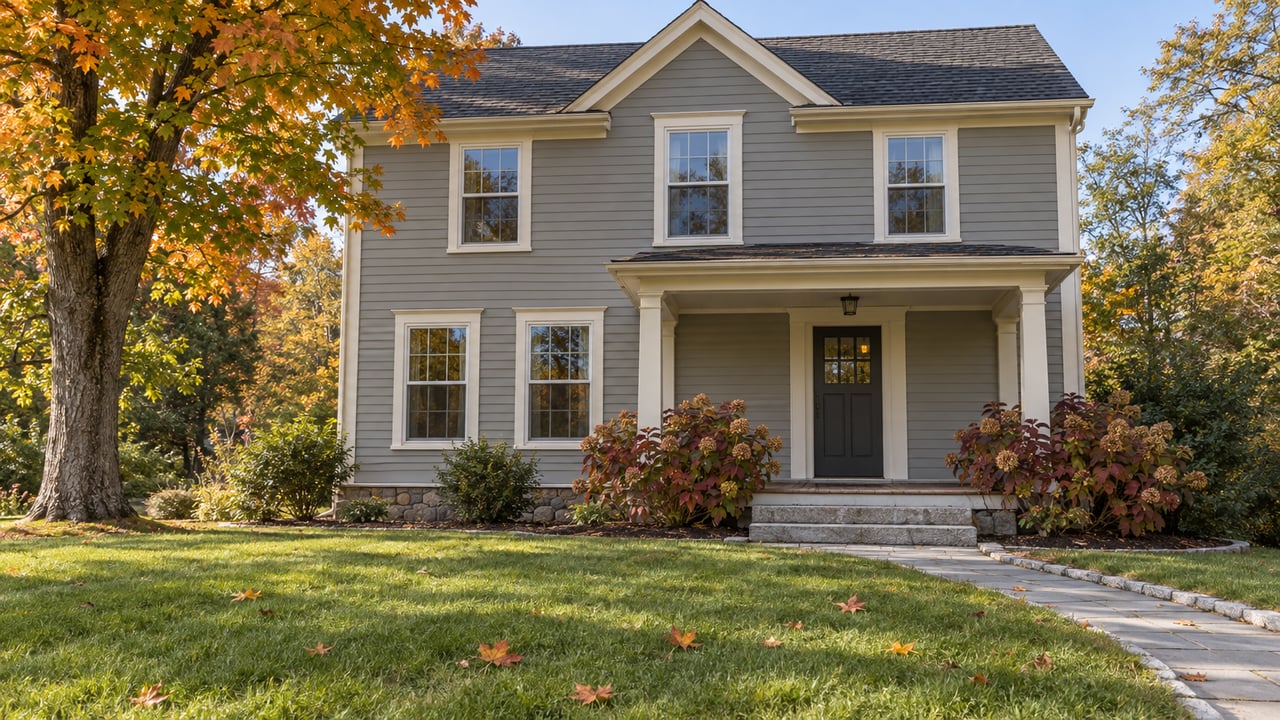
One of Warwick’s strengths is variety. You are not limited to just one type of starter home, and that gives you room to match your budget and lifestyle with a property type that makes sense.
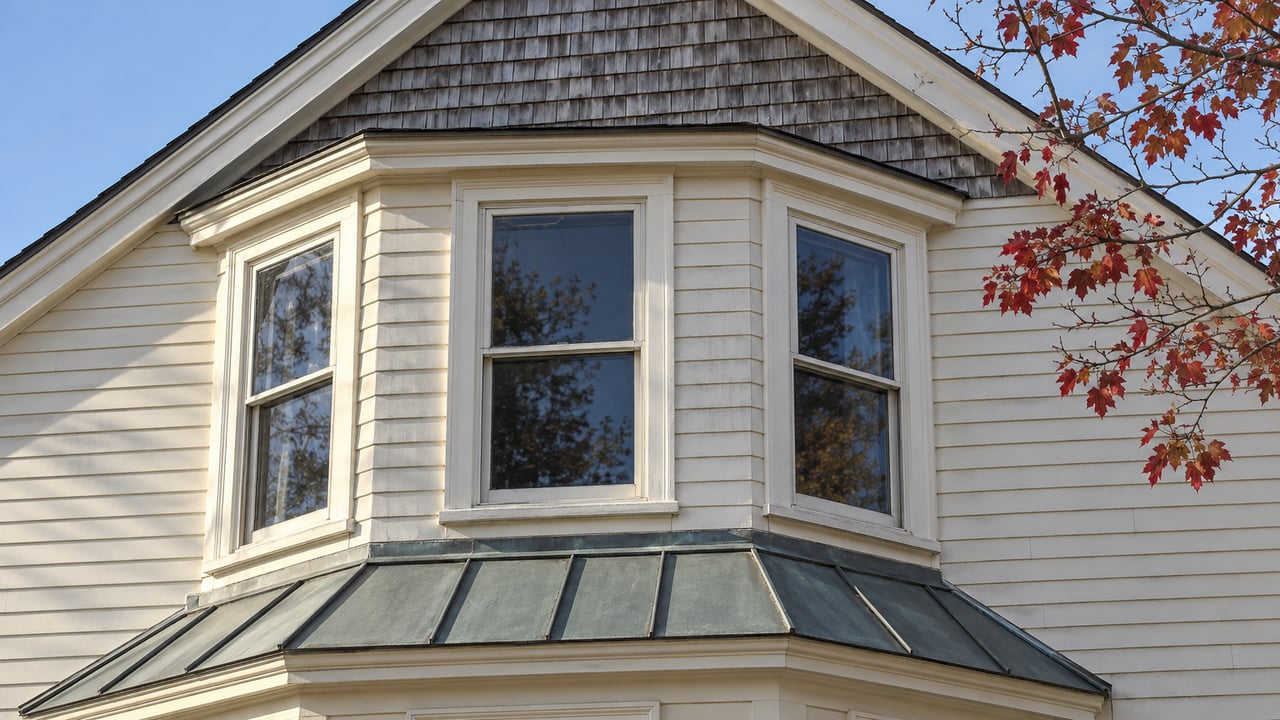
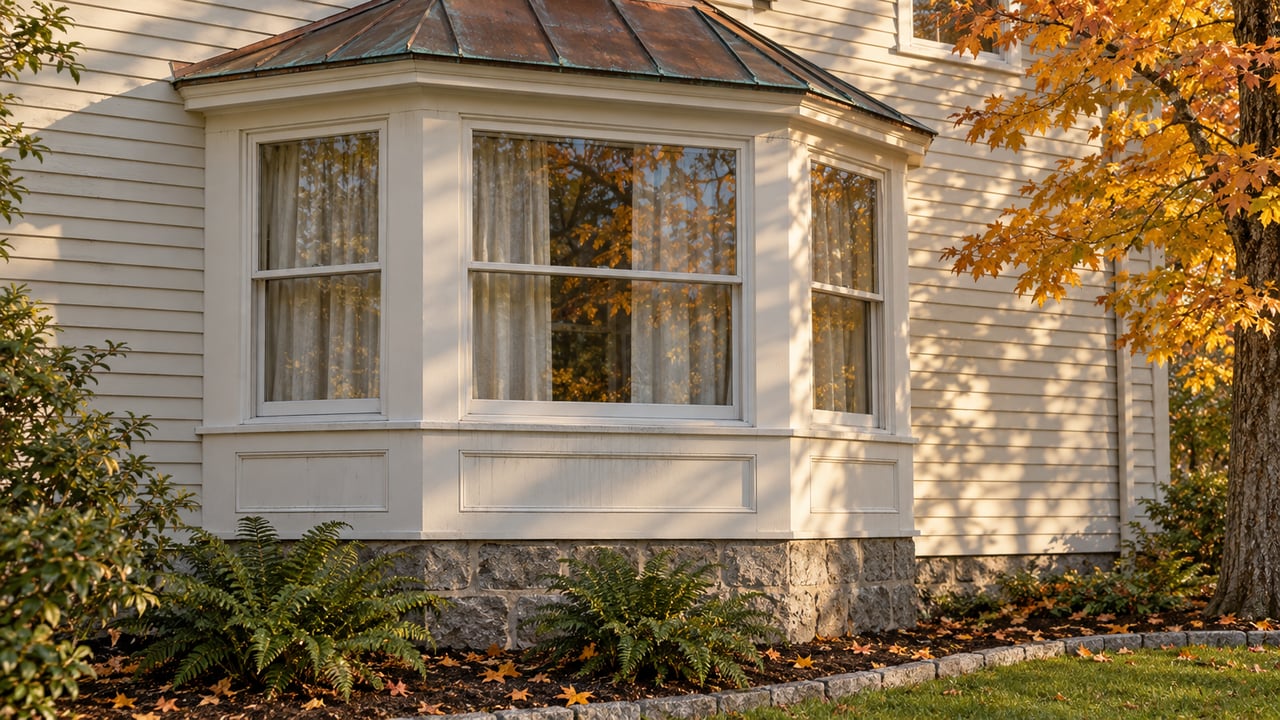
In older village areas, you may see more historic housing stock. Warwick identifies Pawtuxet Village, Apponaug Village, and Pontiac Village among its historic districts, and Pawtuxet Village has the city’s greatest concentration of Colonial and Federal-era architecture.
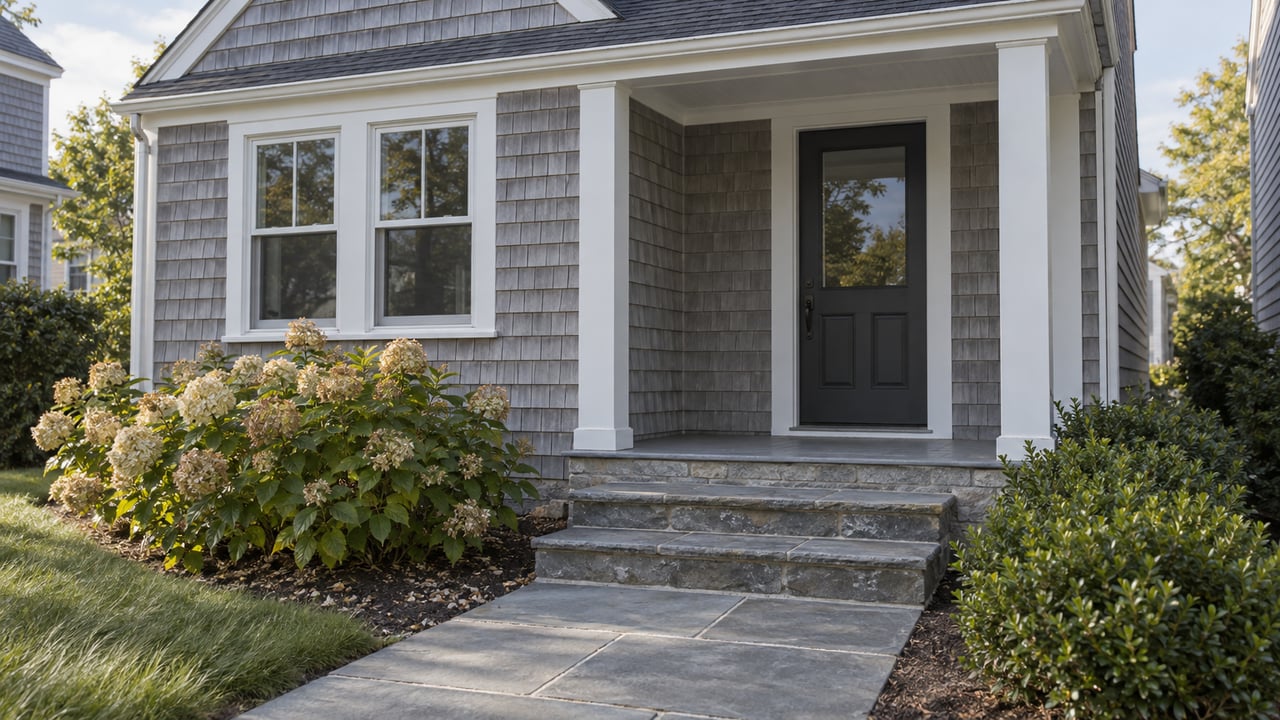
In postwar neighborhoods, you are likely to see more ranch, split-level, and Cape Cod style homes. Warwick’s planning materials specifically note post-World War II residential development in these styles, making them especially relevant for first-time buyers shopping in established neighborhoods.
You may also come across condos that offer a different entry point into homeownership. For some buyers, that can mean less exterior maintenance and a lower price than a detached house, though your monthly costs still need to account for taxes, insurance, and any association-related expenses.
Ask the right questions in older areas
If you love the character of an older home, it is smart to pair that excitement with a little extra research. Homes in local historic districts may be subject to overlay zoning rules that regulate construction, alteration, repair, removal, or demolition.
In simple terms, that means exterior changes may require additional review if the property sits within a historic district. If you are already thinking about replacing windows, changing siding, or making other visible updates, this is worth confirming before you buy.
Warwick due diligence you should not skip
Warwick’s coastal location is part of its appeal, but it also adds an important layer to your home search. With 39 miles of coastline, some homes may face greater flood or insurance risk than others.
CFPB recommends asking about flood and disaster risk before making an offer. It also recommends using an inspection clause so the purchase only moves forward if the home is in acceptable condition. That advice is especially important when you are buying in a city with coastal and low-lying areas.
As you compare homes, try to look beyond finishes and staging. Pay close attention to the age and condition of major systems, signs of water issues, and how the property’s location may affect insurance and long-term carrying costs.
What happens after your offer is accepted
Once a seller accepts your offer, the process becomes more detailed and document-heavy. This is the stage where inspections, financing, insurance shopping, and final numbers all come together.
A simple way to think about the timeline is this:
- You make an offer and reach an agreement.
- You complete inspections and review the property condition.
- You continue through mortgage underwriting.
- You shop for homeowners insurance.
- You review your final closing documents before signing.
CFPB notes that closing costs may include appraisal fees, title insurance, government taxes, and prepaid items such as property taxes, homeowners insurance, and interest until your first payment is due. CFPB also says you should receive the Closing Disclosure at least three days before closing, giving you time to review the final figures carefully.
A smart first-time buyer strategy
If you want a practical plan for buying in Warwick, keep it simple. Start with your monthly comfort zone, not just the maximum purchase price. Then get pre-approved, learn what assistance programs may apply to you, and tour homes with a clear eye on taxes, insurance, condition, and location-specific risks.
Warwick gives first-time buyers a broad mix of options, from village homes with historic character to postwar starter houses and condos. The key is finding the right fit for your budget, your goals, and the kind of ownership experience you want.
Buying your first home is a big step, but you do not have to figure it all out alone. If you want patient, local guidance as you explore Warwick, Chanthaly Morin is here to help you move forward with care and confidence.
FAQs
How much cash do first-time buyers need in Warwick?
- Your total cash needed can include your down payment, closing costs, and prepaid expenses. Closing costs alone often run about 2% to 5% of the purchase price, so on a $451,500 home that is roughly $9,030 to $22,575 before prepaids and other costs.
Which Rhode Island programs can help Warwick first-time buyers?
- RIHousing offers a first-time buyer loan with 100% financing and down payment or closing cost assistance, plus options such as 15kDPA, Extra Assistance, the RI REALTORS Homebuyer Grant, HomeSecure, and Homebuyer Renovation Loans 203(K).
What home styles are common for first-time buyers in Warwick?
- Warwick offers a mix of older village homes, postwar ranch and Cape Cod style houses, condos, and apartments. In historic village areas, you may see more Colonial and Federal-era architecture.
What should buyers check before purchasing a coastal Warwick home?
- Ask about flood and disaster risk, review insurance implications, and include an inspection clause so you can evaluate the home’s condition before moving forward.
What should buyers know about historic districts in Warwick?
- Homes in local historic districts may fall under overlay zoning rules that regulate exterior changes such as construction, alteration, repair, removal, or demolition.
What happens between an accepted offer and closing in Warwick?
- After your offer is accepted, you typically move through inspections, mortgage underwriting, insurance shopping, and final document review. You should receive the Closing Disclosure at least three days before closing so you can confirm the final numbers.