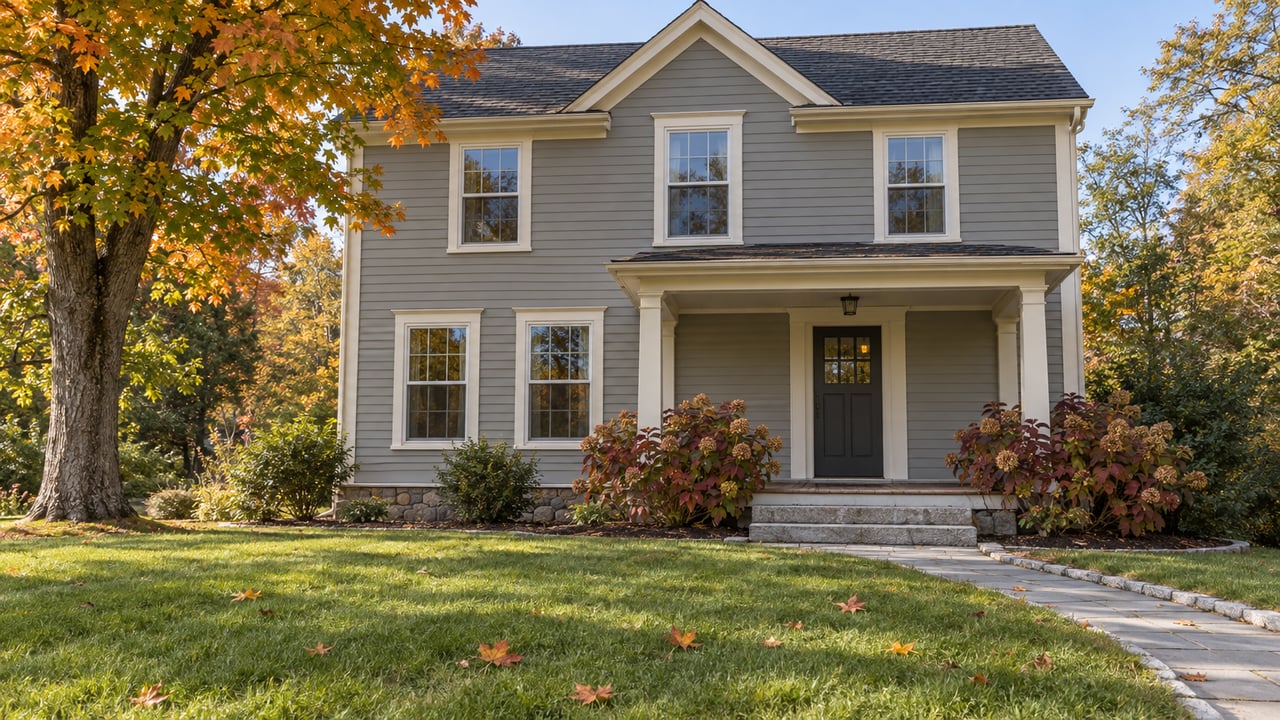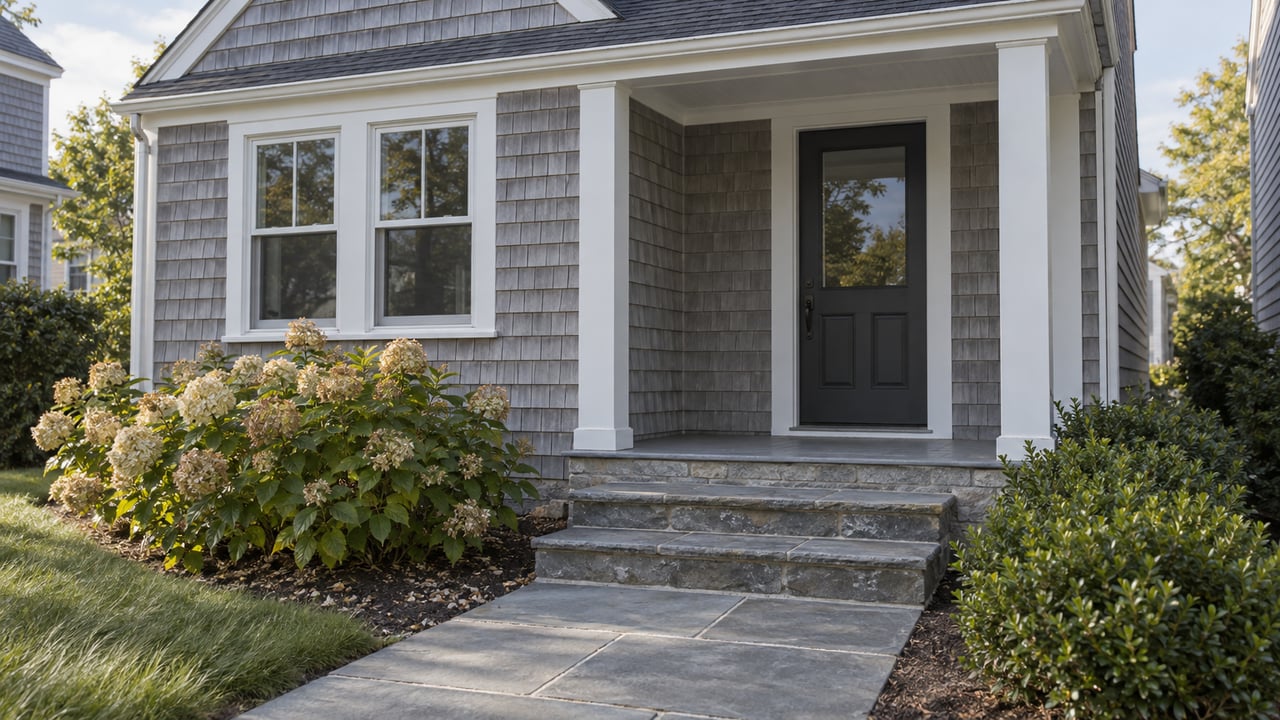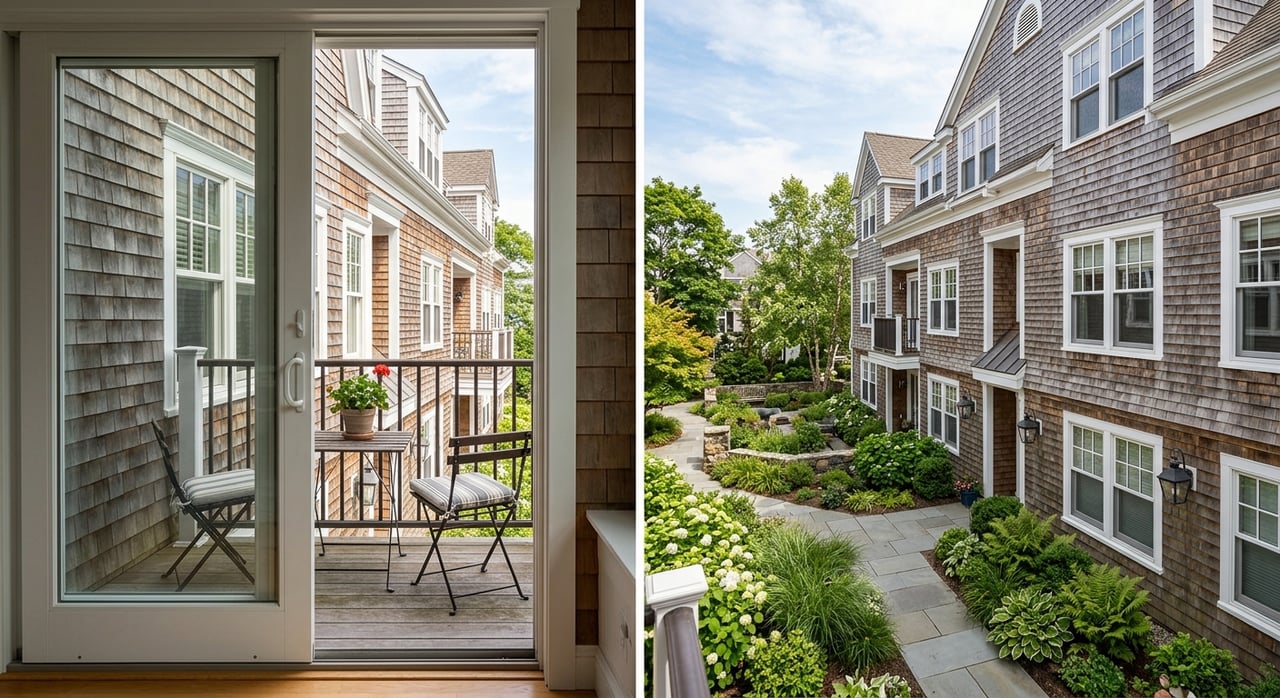
Trying to choose between a condo and a house in Newport? You are not alone. In a high-cost coastal market where lifestyle, upkeep, rental rules, and taxes can all change the math, the right choice is not always the obvious one. This guide will help you compare both options in a practical way so you can decide what fits your budget, goals, and day-to-day life in Newport. Let’s dive in.
Newport Market Basics
Newport is an expensive housing market, and that matters whether you are looking at a condo or a detached house. According to Redfin’s Newport housing market data, the median home sale price was $1.1 million in February 2026, up 22.2% year over year.
At the city level, the numbers show a gap between typical condo and single-family values. Newport budget materials list median assessed values of $834,300 for single-family homes and $520,400 for residential condos, which suggests condos often start from a lower price point, even though both options remain costly in this market. The same city materials also show 8,291 multifamily units and 5,301 single-family units, reflecting how important attached and shared housing is in Newport’s inventory.
Newport also has a very seasonal housing market. The city’s housing chapter estimates that 19% of units are seasonally occupied and notes that at least 1,000 short-term rentals are listed online while only 574 are registered with the city. That seasonal demand can affect pricing, availability, and how you think about future use.
Why Property Type Matters
A condo and a house can serve very different needs, even if they are in the same part of Newport. Your best fit often comes down to how much maintenance you want, how much privacy you need, and whether you want flexibility for rentals or renovations.
In Newport, that choice is even more important because the housing stock is older. The city plan cites a median housing unit construction year of 1920, which means upkeep, repairs, and renovation costs can become a bigger part of ownership than many buyers first expect.
When a Condo Makes More Sense
A condo may be the better fit if you want simpler ownership and a more lock-and-leave lifestyle. Under Rhode Island condo law, common elements like the land, roof, halls, parking areas, and central services are separated from the individual unit.
That matters because the association is generally responsible for the common elements, while you are responsible for your unit. Associations also must adopt annual budgets and collect common-expense assessments, so a condo often means trading some exterior maintenance responsibilities for monthly or periodic dues.
For many buyers, that tradeoff is worth it. If you want less hands-on exterior upkeep, fewer yard tasks, and a home that may fit a more compact in-town lifestyle, a condo can be a strong option.
Condo benefits to consider
- Lower exterior-maintenance responsibility
- A more compact, walkable in-town living experience
- A lower average value base than single-family homes in city assessment data
- Shared management of common elements and building systems
Newport’s housing plan describes the city’s smaller lots and compact development pattern as part of its walkable, neighborly character. If that kind of setting appeals to you, a condo or attached home may align well with how you want to live.
When a House Makes More Sense
A detached house may be the better fit if you want more control over your property. In general, a house gives you more autonomy because you are not sharing ownership of common elements with an association.
That extra control can matter if you care about yard space, privacy, parking, or future changes to the property. It may also matter if you want fewer shared rules affecting your day-to-day life.
House benefits to consider
- More privacy and separation from neighbors
- More direct control over the property
- More potential flexibility for renovations
- Yard space or outdoor areas that are not shared
That said, the tradeoff is responsibility. In Newport, older homes and compact lots can make maintenance, repairs, and parking a larger part of the ownership experience. If you buy a house, you should be ready for the time and cost involved in caring for the full structure and lot.
Compare Maintenance and Monthly Costs
One of the biggest condo-versus-house questions is not purchase price. It is ongoing cost and effort.
With a condo, your monthly budget may include association dues and the possibility of changing assessments. Under Rhode Island law, associations can adopt budgets and collect common expenses, which is a key part of how condo communities operate.
With a house, you may not have condo dues, but you are directly responsible for the roof, exterior, lot, seasonal upkeep, and repairs. In a city with older housing stock, that can be a major budget item.
Quick comparison
| Factor | Condo | House |
|---|---|---|
| Exterior maintenance | Usually shared through the association | Usually your responsibility |
| Monthly extra costs | Dues and possible assessments | Maintenance and repair costs |
| Control over property | More limited by association rules | More direct owner control |
| Privacy | Typically less private | Typically more private |
| Yard and outdoor space | Often limited or shared | Usually greater private use |
HOA Rules Can Shape Your Choice
If you are considering a condo, it is important to look beyond the unit itself. Under Rhode Island law on condo powers, associations can adopt and amend rules, regulate common elements, levy fines, and collect assessments.
In practical terms, that means condo ownership often comes with rules that can affect pets, noise, renovations, parking, amenities, and rentals. Before you buy, you should review the declaration, bylaws, and current budget carefully.
A house usually involves fewer shared governance issues. If autonomy is high on your list, that can be a major advantage.
Rental Plans Need Extra Review
In Newport, your intended use matters as much as the property type. If you are thinking about renting out the property, you need to understand both city rules and, for condos, association documents.
Newport defines a short-term rental as a lease of less than 30 days. The city’s housing chapter says that as of early 2024, short-term rentals of two bedrooms or fewer, when the homeowner is present, are permitted as a home occupation in residential zones, and home occupations are also permitted in houses in commercial zones.
For non-owner-occupied rentals, Newport’s 2026 rental dwelling registration form covers residential dwellings rented for nine months or less but not less than 30 days. It requires annual renewal and lists a $75 registration fee plus a $100 inspection fee per unit.
This is where many buyers need to slow down and verify details. A condo that looks perfect for seasonal use may still have association rules that limit or prohibit the rental plan you have in mind.
Ask these rental questions first
- Will this be your primary residence, second home, or rental?
- If it is a condo, do the governing documents allow your intended rental use?
- Are there city registration, inspection, or zoning steps that apply?
- Does the monthly budget still work after dues, fees, and carrying costs?
Taxes Can Change the Math
Taxes are another reason this decision is not just about condo versus house. Occupancy status can have a big impact.
Newport’s 2026-27 owner-occupied tax application states that the property must be your principal residence for more than seven months a year. It also says seasonal subletting is not allowed under the program, and the owner-occupied rate applies to only one property unless limited exceptions apply.
So if you plan to live in the home full time, that may support one kind of purchase decision. If you plan to use the property as a second home or rental, the cost picture may look different. In Newport, your use case matters just as much as the floor plan.
A Simple Way to Decide
If you are still weighing both options, start with the lifestyle side before the financial side. Think about how you want to live in Newport, not just what you want to buy.
A condo may be the better fit if you want lower exterior-maintenance responsibility, a more compact and walkable setting, and you are comfortable with dues and association rules. A house may be the better fit if you want more privacy, more autonomy, and more flexibility in exchange for taking on more upkeep.
The best decision usually comes from answering a few honest questions:
- How often will you use the property?
- Do you want convenience or control?
- Are you comfortable with shared rules?
- Do you want private outdoor space?
- Are you budgeting for the full cost of ownership, not just the mortgage?
In a market like Newport, small details can have a big effect on your long-term satisfaction. That is why it helps to compare specific properties, monthly costs, governing documents, and intended use before you commit.
If you want guided, local help weighing condos versus houses in Newport, Chanthaly Morin is here to help you sort through the options with care, clarity, and a strategy that fits your goals.
FAQs
Is a condo always cheaper than a house in Newport?
- No. City assessment data shows lower median assessed values for condos than single-family homes, but condo dues and other carrying costs can narrow the difference.
Are Newport condos lower maintenance than houses?
- Usually, yes. Condo associations generally handle common elements, while house owners usually maintain the full structure and lot themselves.
Can you use a Newport condo as a short-term rental?
- Maybe. You need to confirm both Newport’s local rules and the condo association’s governing documents before assuming that use is allowed.
Does owner occupancy affect Newport property taxes?
- Yes. Newport’s owner-occupied tax program requires the property to be your principal residence for more than seven months a year and does not allow seasonal subletting under that program.
What should you review before buying a condo in Newport?
- Review the declaration, bylaws, budget, assessments, and any rules related to rentals, pets, parking, renovations, and common-element use.