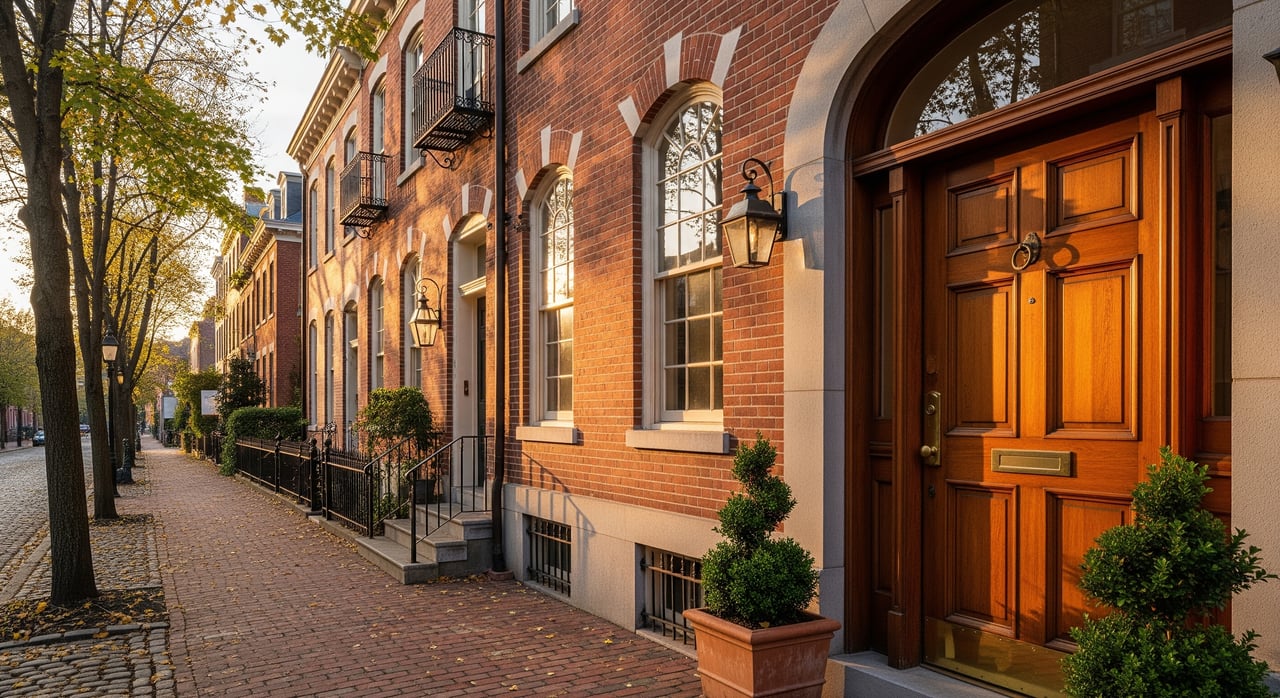
Buying your first home in Providence is a big step, and it can feel like a lot to sort through. You want a place that fits your life and budget, with clear guidance from start to finish. This guide walks you through each step — from financing and neighborhood fit to inspections and closing — with local tips for Providence and surrounding Providence County. Let’s dive in.
Why buy in Providence
Providence offers a mix of historic charm, city energy, and neighborhood variety. The city is home to about 190,000 residents, according to U.S. Census QuickFacts, and much of its housing was built in the late 19th and early 20th centuries. You’ll see everything from classic triple-deckers and townhomes to converted lofts and new mixed-use developments.
You’ll find three main property types as a first-time buyer:
- Condos and converted lofts in Downtown, the Jewelry District, and the East Side.
- Two- and three-family homes across many neighborhoods if you want to live in one unit and rent the others.
- Smaller single-family homes in select Providence pockets and nearby suburbs.
Neighborhood snapshots
- East Side (College Hill, Wayland, Fox Point): Historic streets, cultural spots, and walkable blocks. Condos and historic homes are common and often priced higher.
- Jewelry District and Downtown: Newer condos near hospitals and offices, plus easy access to city amenities.
- Federal Hill: Known for dining and markets, with proximity to downtown.
- Olneyville, Valley, Elmwood, West Broadway, South Providence: Areas where multi-family options are more common, with ongoing renovation activity.
Always visit blocks in person and at different times to get a feel for parking, noise, and daily flow.
Commute and transit
If you rely on public transit, the RIPTA bus network connects most neighborhoods. Commuting to Boston is possible via the MBTA commuter rail from Providence Station. Parking varies by neighborhood, and many condos on College Hill and Downtown may have limited on-site parking, so factor that into your must-haves.
Know your budget and financing
Start with a clear picture of monthly costs, not just the purchase price. Include principal and interest, property taxes, homeowner’s insurance, HOA dues (if a condo), utilities, and maintenance. Remember to set aside funds for closing costs and a basic repair reserve.
Get pre-approved before you tour seriously. A pre-approval shows sellers you’re qualified and helps you shop with confidence. Pre-qualification is lighter and not a substitute.
Common loan options:
- FHA: Low down payment options with mortgage insurance. Review FHA loan basics.
- Conventional: Often 3–5% down for qualifying first-time programs, or higher down to reduce or avoid PMI.
- VA: For eligible veterans and service members, potentially 0% down.
- USDA/RD: For certain eligible areas outside dense urban centers.
Rhode Island–specific help:
- Explore Rhode Island Housing programs for first-time mortgages, down payment assistance, and education. Programs change over time, so check current income limits, property caps, and class requirements.
Providence specifics:
- Multi-family homes may allow you to use projected rent toward qualification, but underwriting rules vary. Tell your lender early if you plan to occupy one unit and rent others.
- Condos must meet lender approval standards. Ask about the association’s budget, reserves, owner-occupancy ratio, special assessments, and monthly dues.
Build a smart search plan
Follow a simple game plan to save time and stress:
- Set your budget and non-negotiables. Know your top needs like parking, commute time, outdoor space, or number of units.
- Get pre-approved. This strengthens offers and keeps you focused on the right price band.
- Partner with a local agent. Providence has many older buildings and multi-family nuances. An experienced local guide is invaluable.
- Use listing alerts. Good listings move quickly. Ask your agent to set MLS alerts and review new homes daily.
- Walk and drive target areas. Visit at different times of day to assess traffic, noise, lighting, and parking.
Touring etiquette
- Always schedule showings. Do not arrive unannounced.
- Be punctual and respect current occupants’ privacy.
- Ask before taking photos. Focus your notes on condition and big-ticket items.
- For multi-family homes, confirm utilities, current leases, rental history, and occupancy rules.
- Verify storage and parking. Measure spaces if needed.
Virtual tours are helpful for screening, but always visit in person before you bid, especially with older Providence properties where unseen issues can surface.
Make a confident offer
Your offer typically includes:
- Purchase price and earnest money deposit
- Financing and appraisal contingencies
- Inspection contingency and timeline
- Closing date and possession terms
- Any seller concessions and included items
Contingency timelines vary by deal. A common inspection window is about 7–14 days. A financing contingency should allow enough time for appraisal and underwriting. If buying a condo, include time to review the HOA documents, bylaws, budgets, reserves, and meeting minutes.
In competitive moments, sellers may prefer higher deposits, fewer contingencies, or quicker closings. Each change alters your risk. Work closely with your agent and lender to balance strength with protection.
Inspect with Providence in mind
Most Providence homes are older, so a thorough inspection plan is essential. Consider:
- General home inspection (structure, roof, HVAC, plumbing, electrical)
- Pest inspection
- Sewer scope for older lines (most city homes use municipal sewer; verify connection)
- Chimney and masonry evaluation
- Lead-based paint risk assessment for homes built before 1978; see EPA guidance on lead-based paint
- Checks for asbestos, knob-and-tube wiring, and underground or inactive oil tanks when age or visual clues suggest it
- Radon testing as recommended
Common local issues include aging roofs and flashing, outdated electrical services, water intrusion in older masonry, and deferred maintenance in investor-owned multi-family buildings. If you are considering work on a historic property, factor in potential district guidelines and permit steps through the City of Providence.
For health and safety information, review Rhode Island Department of Health resources on lead and environmental topics.
If inspections reveal concerns, you can request repairs, ask for a credit, renegotiate price, or withdraw during the contingency period. When negotiating, get written estimates from licensed contractors who know local building types.
Multi-family due diligence
Buying a two- or three-family as your first home can offset your mortgage. Still, do your homework:
- Confirm zoning and permitted uses with the City.
- Verify rental registration, certificates of occupancy, and any open code violations.
- Review current leases, rent amounts, tenant payment history, and security deposits.
- Clarify which utilities are separate versus shared and how they are billed.
Your lender will rely on accurate lease data if counting rental income for qualification.
Closing timeline and costs
Closing speed depends on financing and coordination:
- Cash purchases can close in roughly 7–14 days if title is clear.
- Most financed purchases close in about 30–45 days, depending on appraisal, underwriting, and title work.
Buyer closing costs generally include lender fees, appraisal, title search and insurance, settlement fees, recording, prepaid taxes and insurance, and escrow set-up. A common national range is about 2–5% of the purchase price, though it varies. Review the CFPB guide to closing costs and ask your lender and title team for a tailored estimate.
After closing, transfer utilities, update your address, review your tax bill schedule, and follow any HOA onboarding steps. Keep all warranties and contractor contacts in one place for easy reference.
Where to verify rules and updates
- Programs and assistance: Check Rhode Island Housing for current mortgage options, down payment assistance, and education.
- Permits, taxes, and inspections: Visit the City of Providence for rental registration, permitting, and assessor information.
- Health and environmental guidance: See Rhode Island Department of Health and the EPA for lead and other safety topics.
- Transit planning: Use RIPTA and MBTA for bus and commuter rail schedules.
You do not have to navigate this alone. If you want patient guidance, local insight, and a clear plan, reach out to Chanthaly Morin to start your first-home journey in Providence.
FAQs
How do I start buying a first home in Providence?
- Begin with a realistic budget and lender pre-approval, then work with a local agent to target neighborhoods and set up listing alerts.
What types of homes do first-time buyers see in Providence?
- You will commonly find condos and lofts downtown and on the East Side, plus two- and three-family homes and smaller single-family options in select areas.
How long does it take to close with a mortgage in Providence?
- Most financed purchases close in about 30–45 days, depending on appraisal scheduling, underwriting, title work, and seller readiness.
What inspections are most important for older Providence homes?
- Plan for a general home inspection, plus checks for lead risk, electrical and plumbing age, masonry and chimney condition, and a sewer scope when appropriate.
How much are buyer closing costs in Providence?
- A common national estimate is 2–5% of the purchase price, but your lender and title company can provide a property-specific estimate.
Are there first-time buyer programs in Rhode Island?
- Yes, Rhode Island Housing offers first-time buyer mortgages, down payment assistance, and education; review current eligibility and limits.