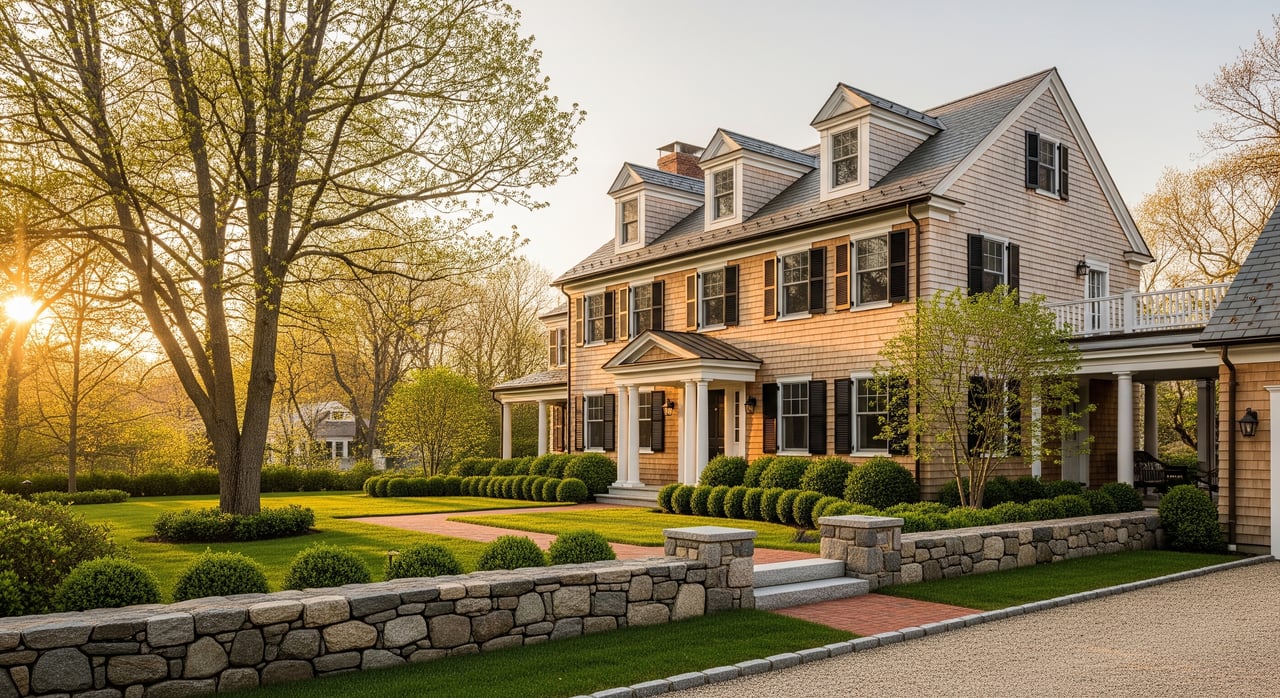
Thinking about a place that feels suburban but keeps you close to Providence? North Providence offers tree-lined streets, everyday conveniences, and a range of homes that can fit many budgets and stages of life. If you want shorter commutes, nearby parks, and a quieter pace without going far from the city, it can be a great match. In this guide, you’ll learn what daily life looks like and what kinds of homes you will find, plus practical steps for buying with confidence. Let’s dive in.
Where North Providence fits
North Providence sits immediately north of the City of Providence within Providence County. It serves as an inner-suburban community with a mix of single-family neighborhoods and small-business corridors. Many residents commute into Providence or nearby job centers while handling most daily needs close to home. For a deeper look at population and housing data, start with the U.S. Census Bureau’s QuickFacts.
North Providence balances convenience with a calmer pace. You will see mid-century homes on established streets, small clusters of condos, and pockets of multi-family buildings. The town’s official site is a helpful hub for departments, services, and local updates. Explore resources on the Town of North Providence website.
Getting around
Driving to downtown Providence is generally under 20 to 30 minutes outside rush hour. Access to I-95 and I-295 makes regional travel straightforward, though times vary by route and time of day. If you commute, check current traffic patterns and plan extra time during peak hours.
RIPTA bus routes connect North Providence to Providence transit hubs like Kennedy Plaza. Service is usually less frequent than in-core city routes, so factor in transfer times. Review schedules and routes on the RIPTA website.
For longer trips, the Providence Amtrak station links you to regional rail, including service to Boston and New York. See station details on the Amtrak Providence page. T.F. Green Airport in Warwick provides commercial flights with easy access from town. Check flights and traveler services at the T.F. Green Airport site.
Daily life essentials
You can handle day-to-day shopping on local commercial corridors that include groceries, pharmacies, restaurants, and service businesses. For specialty items or larger retail, many residents take a quick drive to Providence or nearby malls.
Parks and recreation programs are managed by the town, with playgrounds, sports options, and seasonal activities. Larger outdoor destinations, like state parks and bike paths, are a short drive away. For current programs and park updates, visit the town’s Recreation page.
Most hospitals and specialists are just over the line in Providence, commonly within a 10 to 20 minute drive depending on traffic. For statewide healthcare information and provider resources, refer to the Rhode Island Department of Health.
Schools and childcare basics
North Providence Public Schools operates local elementary, middle, and high schools, including North Providence High School. Families often review school boundaries, specialized programs, and transportation options when choosing a neighborhood. To compare objective performance data like graduation rates and testing, use the Rhode Island Department of Education’s Report Card portal.
Private, parochial, and daycare options exist within the region. If schools are a priority for you, verify attendance zones and enrollment steps directly with the district and school administrators. Keep your search flexible, since zones can change over time.
Homes you will see
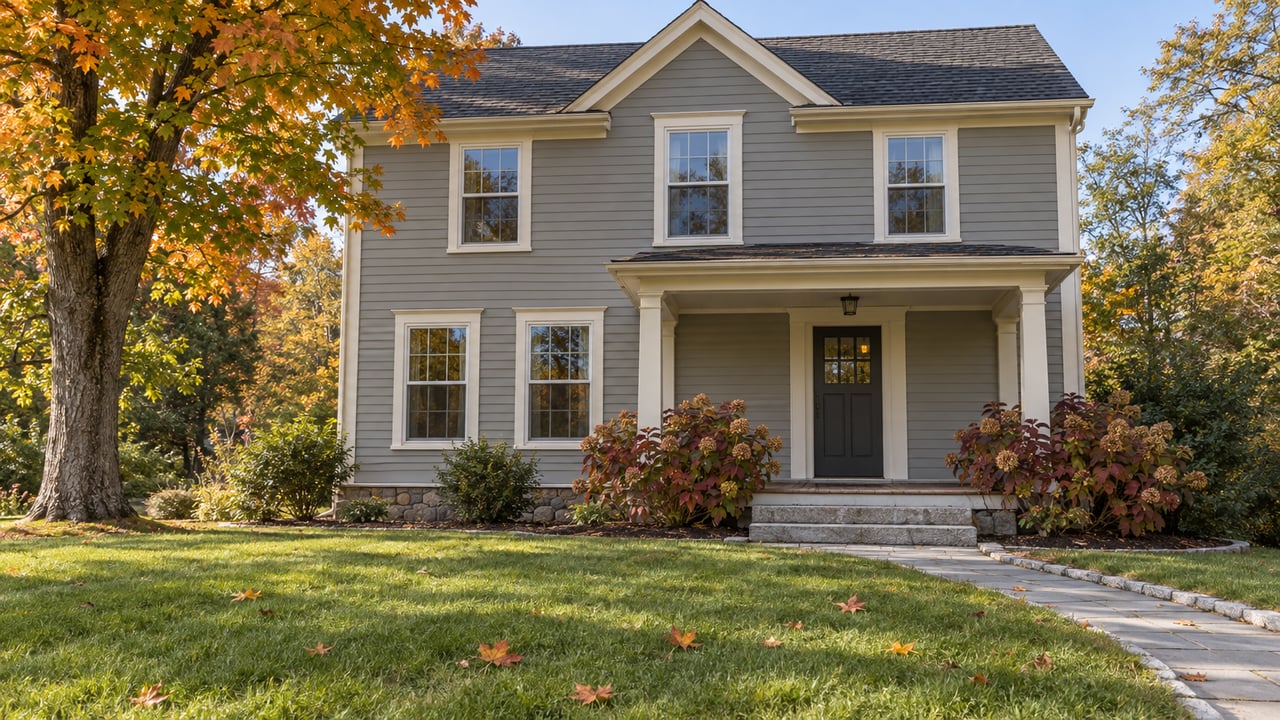
Single-family houses are common, with many built from the early to mid-1900s through the 1960s to 1980s. Typical styles include colonials, capes, ranches, and split-levels. Many homes have been updated over the years, and you will also see newer infill where lots allow.
Two- and three-family homes appear in denser areas and can be attractive for buyers who want rental income alongside owner occupancy. You will also find small clusters of condominiums and townhomes, usually in modestly sized developments rather than large complexes.
Lot sizes vary across town. Closer to Providence, lots are often smaller with a more urban-suburban feel. In the northern and western sections, you may find larger lots and a more spacious, suburban setting.
Market patterns to expect
Like much of the Providence metro, North Providence saw rising prices after 2020, followed by some cooldown and neighborhood-level variation. Properties that are renovated or in move-in-ready condition can draw stronger interest. Older homes with dated systems may list lower but require upgrades, which you should factor into your budget.
Expect block-by-block differences. Some streets see more recent renovations and higher pricing, while others feature older stock that may need work or offer investment potential. If you want a multi-family or a fixer, conduct deeper due diligence on zoning, permits, and likely scope of repairs before you write an offer.
Costs, taxes, and utilities
Property taxes are set by the town and billed on local schedules. Review current mill rates, assessment methods, and available exemptions, such as homestead or veteran programs, with the Assessor’s office on the Town of North Providence site.
Electricity and gas are provided by regional utilities and may vary by street. Water, sewer, trash, and recycling are managed by the town or regional authorities. Public Works updates schedules and rules on the town website. Internet and cable service options differ by address, so verify coverage during your home search.
Risk and due diligence
Because much of the housing stock is older, a full home inspection is essential. Pay close attention to roof age, foundation condition, electrical capacity, plumbing, and HVAC. For homes built before 1978, federal law requires a lead-based paint disclosure, so review documentation and consider specialized inspections when appropriate.
Some properties in the metro have flood risk. Check whether a property is in a mapped flood zone using the FEMA Flood Map Service Center. If the home relies on oil heat, ask your insurer about oil tank requirements and any related surcharges. Confirm whether the property uses municipal sewer or has a private system, and obtain relevant reports where needed.
Financing help
Conventional, FHA, and VA loans are common financing paths for buyers here. If you are a first-time buyer, look into state-backed assistance and down payment programs through Rhode Island Housing. Review eligibility details early so you can align your budget with the right properties and timing.
Typical closing timelines in Rhode Island range from 30 to 60 days depending on loan type and inspections. Closing costs vary by lender and title company, so request loan estimates and fee sheets during preapproval.
Neighborhood fit
North Providence works well if you want a shorter drive into Providence, suburban neighborhoods, and the flexibility to choose between single-family and small multi-family homes. It is also a good option if you like nearby city amenities without living in the center of Providence.
If you want a dense nightlife scene or depend on very frequent bus service, you may prefer a more urban neighborhood. Buyers looking for brand-new construction will find fewer options than in outlying suburban developments, so be ready to consider updated older homes or small newer builds.
Quick buyer checklist
- Confirm commute: test-drive your route at your typical commute time and review RIPTA options on the RIPTA site.
- Check flood risk: review your address on the FEMA Map Service Center.
- Verify utilities: ask about electric, gas, water, sewer, trash, and recycling services through the Town of North Providence.
- Inspect systems: focus on roof, foundation, electrical, plumbing, and HVAC. Ask about oil versus gas heat and tank status.
- Review permits: confirm permitted work and zoning at the town’s Building and Zoning offices listed on the town website.
- Research schools: check programs and performance through the RIDE Report Card, then confirm enrollment with the district.
- Plan financing: explore first-time buyer programs with Rhode Island Housing, and obtain lender preapproval.
How we can help
Buying or selling in North Providence is easier when you have a calm, responsive guide by your side. With a concierge approach, local insight, and patient, step-by-step support, you get the clarity and confidence you need for each decision. Whether you are a first-time buyer, a move-up family, or a small investor, you will be guided with care from search to close.
Ready to explore North Providence with a local who puts you first? Schedule a Free Consultation with Chanthaly Morin.
FAQs
How long is the commute to downtown Providence from North Providence?
- Typical drive times are generally under 20 to 30 minutes outside rush hour, with delays during peak periods depending on route and traffic.
Does North Providence have RIPTA bus service?
- Yes, RIPTA serves North Providence with routes that connect to Providence hubs like Kennedy Plaza; check schedules and frequency on the RIPTA website.
What home styles are common in North Providence?
- You will see mid-century colonials, capes, ranches, and split-levels, plus two- and three-family homes and small condo clusters.
Where can I check property taxes and exemptions in North Providence?
- Review current rates, assessments, and exemptions through the Assessor’s office on the Town of North Providence site.
Are there first-time buyer programs available in Rhode Island?
- Yes, explore down payment assistance and mortgage options through Rhode Island Housing, then confirm eligibility with your lender.
How do I verify flood risk for a North Providence home?
- Enter the property address in the FEMA Flood Map Service Center to see mapped flood zones and discuss insurance needs with your lender and insurer.