Dreaming of beach-town living without giving up practical commutes and daily conveniences? If so, Narragansett could be the right fit. You want easy ocean access, a relaxed coastal vibe, and a plan for getting to work, school, and essential services year-round. In this guide, you’ll learn what day-to-day life feels like, how the seasons shape the town, and how to navigate commutes and transportation with confidence. Let’s dive in.
Narragansett at a glance
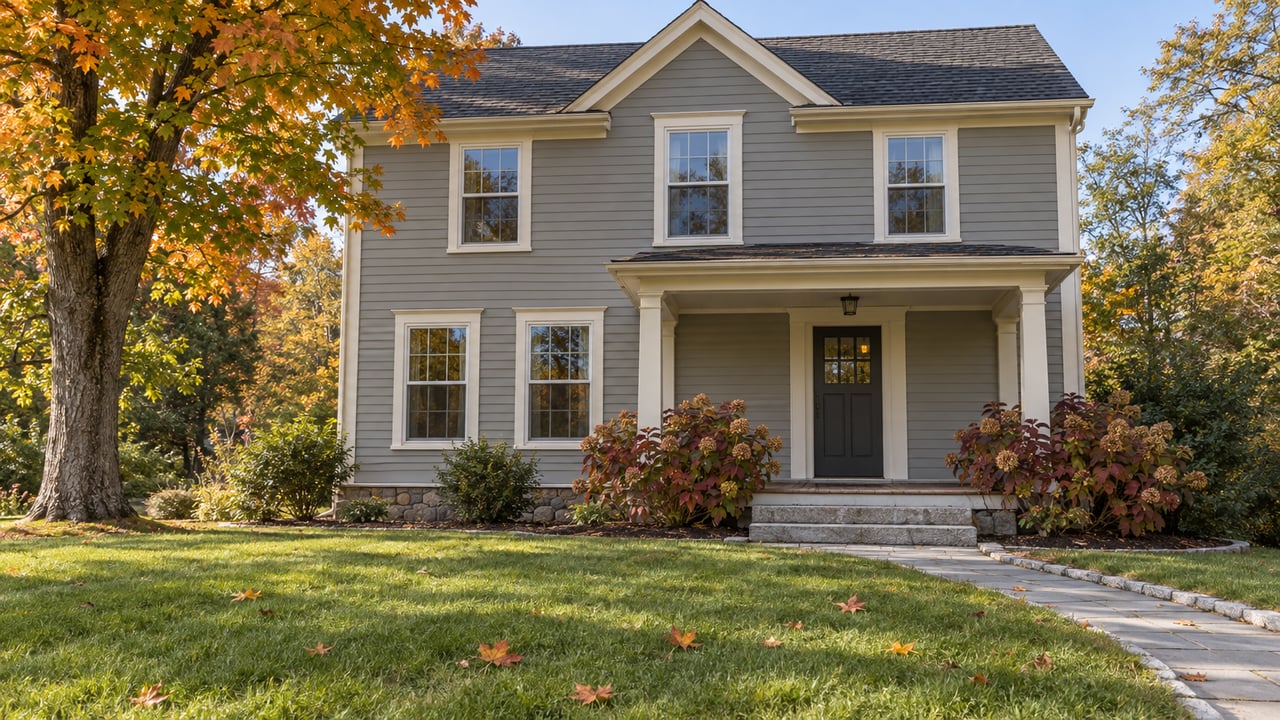
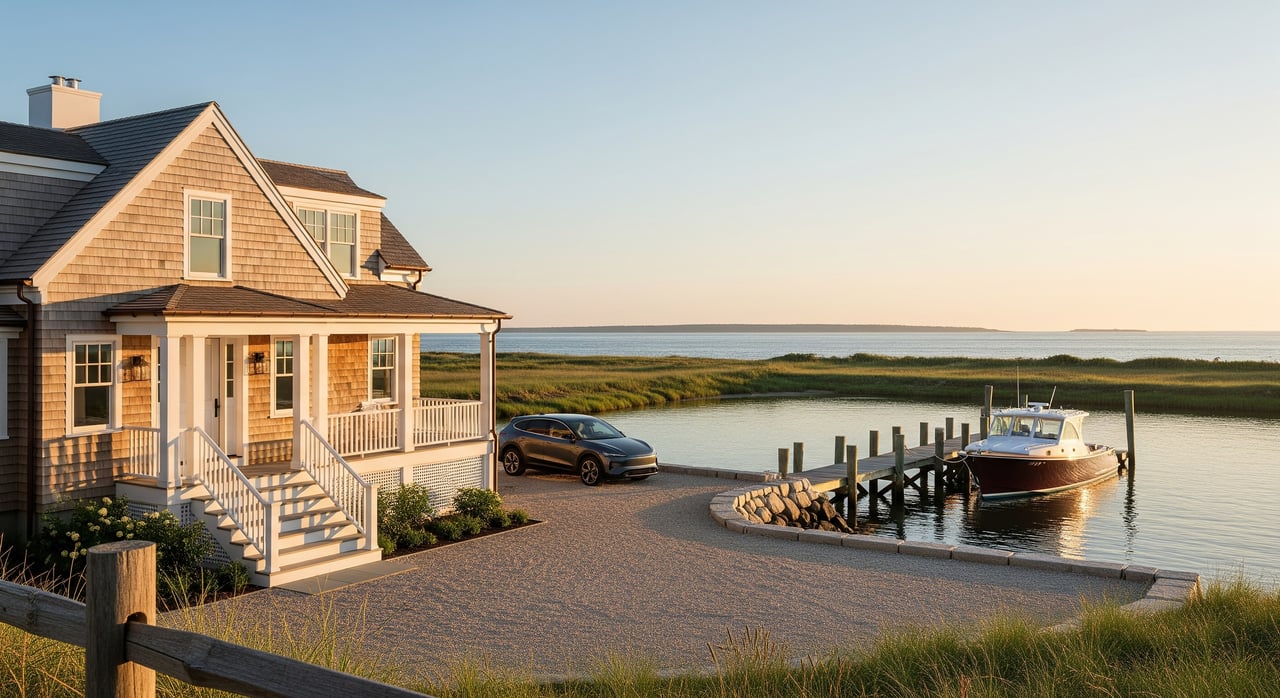
Narragansett sits along Rhode Island’s South County shoreline. The town blends year-round residents with seasonal visitors, so summer feels busy while fall through spring runs quieter. You’ll find a mix of single-family homes, classic cottages near the water, and some condos and apartments. Because of beach demand and second-home interest, housing tends to be pricier than many inland Rhode Island towns.
Lifestyle by the water
Beaches and access
Beaches are the heartbeat of summer here. The town manages access with parking regulations, day fees, and seasonal permits at certain beaches. It’s smart to review current rules, hours, and permit details on the Town of Narragansett’s official website before you plan your season.
Water sports and boating
On warm days, you’ll see surfers, kayakers, and paddleboarders catching early sessions. Fishing is popular from shore and by boat, and nearby ports support both recreational and commercial fleets. Sunny weekends fill up fast, so aim for earlier starts if you want easier parking and space.
Day trips and islands
One perk of living on this stretch of coast is the easy ferry hop to Block Island. Ferries depart from the Point Judith/Galilee area and run on seasonal schedules that ramp up in summer. Check the Block Island Ferry schedule if you’re planning a quick getaway or hosting visitors.
Dining and local commerce
Seafood shines in Narragansett, thanks to fresh catch from nearby ports. You’ll find clam shacks, chowder spots, cafés, and small bistros for casual meals after the beach. Everyday shopping, pharmacies, and hardware are available locally, though you may drive to nearby South County towns for bigger box stores or specialty services. Summer brings extended hours and more seasonal options; the off-season is quieter but steady.
Seasonal rhythm to expect
From late spring to early fall, traffic increases, beaches fill up, and more businesses open. Expect a lively, vacation-like atmosphere in peak months. In the off-season, you’ll enjoy quieter roads, easy parking, and a small-town pace that makes errands simple. If you love energy and events, summer is your season; if you prefer calm and open space, you’ll appreciate fall through spring.
Commuting and getting around
Driving and road connections
Most residents commute by car. You’ll use local state routes for shoreline access and connect to the state’s main north-south interstate for regional trips. Summer weekends and peak beach hours bring heavier traffic and slower segments, especially near popular beaches and village centers. For current advisories and projects, follow the Rhode Island Department of Transportation.
Public transit options
Public transit exists but is less frequent than in urban areas. Regional bus routes link Narragansett to larger hubs; check the Rhode Island Public Transit Authority for current schedules and connections. If you plan to rely on transit daily, it helps to live near a route and build extra time into your commute during the summer season.
Rail connections nearby
Narragansett does not have an in-town commuter rail station. Nearby regional rail stations serve Providence and Boston-bound passengers, though you’ll usually drive or take a bus to reach them. Some residents use a hybrid approach: drive to a station on days when traffic is light, or work remotely part of the week to reduce trips.
Airports and regional access
For flights, the state’s primary airport is a common choice and offers broad domestic connections. You can review airlines and flight info on the Rhode Island T. F. Green International Airport website. For weekends or day trips, use the Block Island Ferry to reach island beaches and trails.
Daily services and family needs
Schools and learning
Narragansett operates public schools from elementary through high school. Programs and performance details are published by the state; you can compare profiles and recent results on the Rhode Island Department of Education. If you need early childhood or private options, explore local providers early, since capacity can fluctuate with seasonal demand.
Healthcare access
Primary care and urgent care are available in South County, with emergency and inpatient services through the regional hospital system. For specialty care, many residents head to larger centers in Providence. To learn about local resources, start with South County Health.
Groceries, shopping, and town services
You’ll find grocery stores, pharmacies, and everyday services within a short drive. For large-scale shopping or specialty retail, you may head to neighboring South County towns. If you’re evaluating a property, review local services like trash collection, permits, and beach information on the Town of Narragansett website.
Coastal living considerations
Living on the coast brings unique maintenance and insurance needs. Be sure to check flood zones, elevation, and any local building standards that may affect renovations or policy costs. You can review flood maps and zones through the FEMA Flood Map Service Center. When comparing homes, ask about septic versus public sewer, and factor in long-term upkeep related to salt air and storms.
Who thrives here
- Working professionals who want a beach-town home base and can handle longer or hybrid commutes.
- Households who love outdoor time, from sunrise walks to weekend boating.
- Remote or hybrid workers who value midday surf checks or quiet winter days.
- Second-home owners and retirees who enjoy a calm off-season and a lively summer.
Pros and cons
Pros
- Ocean lifestyle with beaches, boating, and fresh seafood.
- Classic New England village feel year-round.
- Easy access to region-wide attractions, including the Block Island ferry.
Cons
- Seasonal traffic and limited parking near beaches in summer.
- Housing pressure tied to tourism and second-home demand.
- Fewer public transit options than urban areas, with longer commutes to major job centers.
Home search tips in Narragansett
- If you commute often, focus on neighborhoods with quick access to main routes.
- Visit areas during both peak season and off-season to understand noise, traffic, and parking.
- Review flood zones, elevation, and insurance needs before you write an offer.
- Confirm whether a property uses septic or public sewer and plan for maintenance.
- If you plan to rely on transit, map bus routes and schedules early through RIPTA.
Ready to explore homes?
If Narragansett sounds like the right fit, you deserve a calm, clear home search guided with care. Get a concierge-style plan for neighborhoods, commutes, and coastal due diligence. Schedule a Free Consultation with Chanthaly Morin to start your move with a trusted local partner.
FAQs
How seasonal is daily life in Narragansett?
- Expect a lively, high-traffic summer with crowded beaches and extended business hours, and a quieter, more relaxed pace from fall through spring.
What are the main commuting options from Narragansett?
- Most residents drive; bus connections exist through the Rhode Island Public Transit Authority, and nearby regional rail stations are reachable by car for trips to Providence or Boston.
Where can I find current beach permit and parking rules?
- Check the latest beach access details, fees, and parking information on the Town of Narragansett’s official website.
Which airport do residents use most for flights?
- Many use the state’s primary airport; see airlines and routes at the Rhode Island T. F. Green International Airport.
How do I check flood risk for a specific property?
- Use the FEMA Flood Map Service Center to review flood zones, then discuss insurance and elevation details during your inspection period.