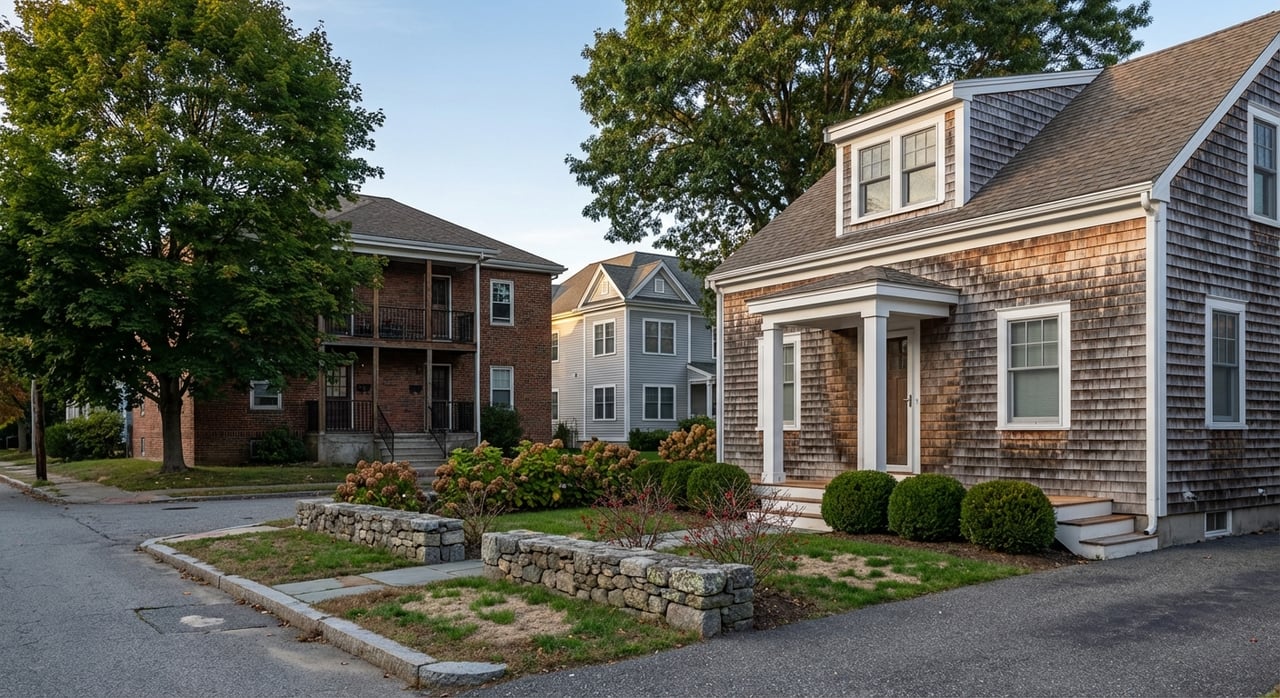
What if the right home style for your life in Lincoln has been hiding in plain sight? Whether you are dreaming of a yard, aiming for low-maintenance living, or hoping rental income can help with the mortgage, choosing between a single-family, condo, or small multi-family shapes your day-to-day costs and freedom. In this guide, you will learn how each option looks in Lincoln, how local taxes and rules affect your budget, and the key questions to ask before you tour. Let’s dive in.
Lincoln market at a glance
Lincoln is a town of about 23,500 residents, with local data available through the U.S. Census QuickFacts for added context on income and housing trends. You will find a mix of classic New England homes and newer infill across neighborhoods.
Pricing varies by data source and method, so it helps to view a range. Redfin reported a median sale price around $465,000 in December 2025. Zillow’s typical home value index for late 2025 was about $544,000. Rocket’s June 2025 snapshot showed roughly $505,000 for the median sold price. Differences come from each model, so use them as guideposts and confirm with current comps when you get serious about a property.
One local cost advantage to note is the Town of Lincoln’s homestead exemption for owner-occupants. The assessor lists a 35 percent reduction on assessed value for qualifying primary residences, which can significantly reduce annual property taxes. Always confirm the current assessed value, rate format, and deadlines with the Town of Lincoln Tax Assessor.
Single-family homes in Lincoln
What to expect
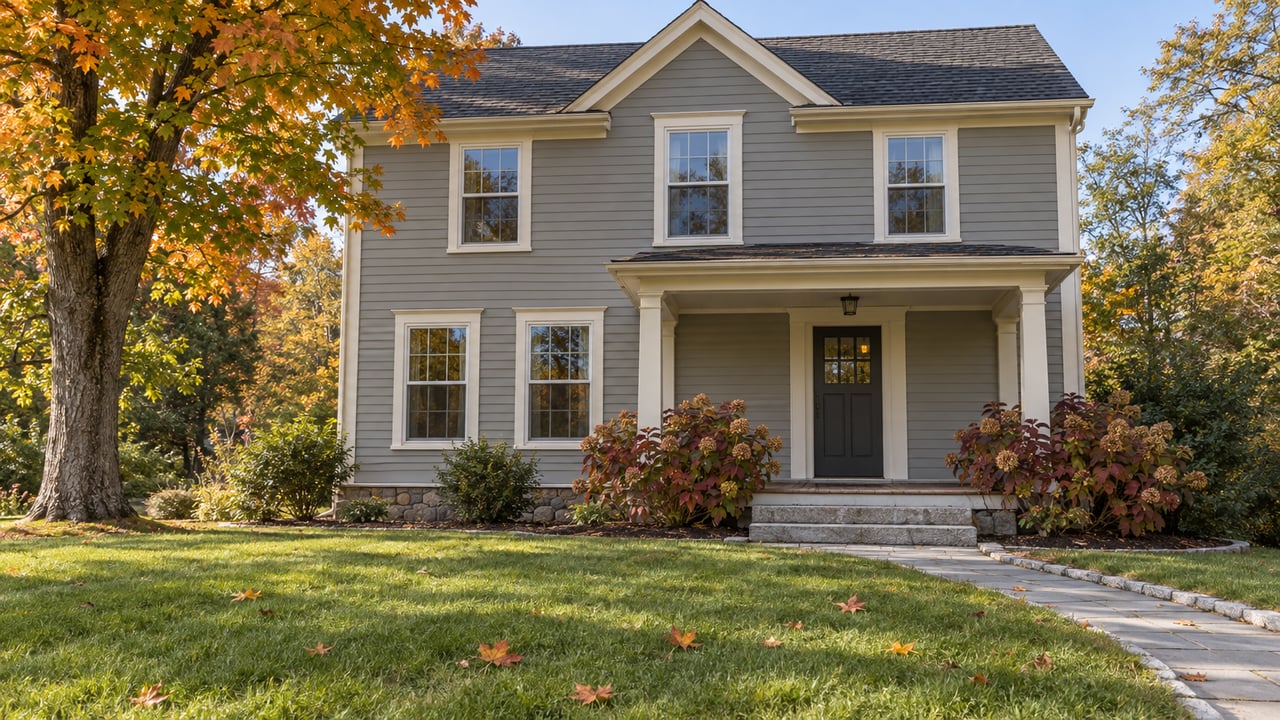
Single-family homes are the most common option in Lincoln. You will see Capes, Colonials, and mid-century ranches, along with later infill. Many neighborhoods have a traditional suburban feel with private yards.
Best fit
Choose this path if you want privacy, outdoor space, and full control over your property without HOA rules. It is a strong fit for long-term plans and for buyers who value flexibility to update or expand.
Local pros
- Full control over maintenance and renovations.
- Eligible for the 35 percent homestead exemption if owner-occupied, which can lower taxes when properly filed with the assessor.
Local watch-outs
- Higher maintenance responsibility. New England winters can be tough on roofs, insulation, and HVAC.
- Taxes are based on assessed value and rate format used by the town. Confirm your estimate and timing of the homestead application with the Tax Assessor.
Condos and townhomes
What to expect
Lincoln offers condo and townhouse options in smaller communities, plus some conversions linked to the Blackstone Valley corridor. If you enjoy access to outdoor recreation, the Blackstone River Bikeway adds trail connectivity nearby.
Best fit
Condos are a good match if you want lower exterior upkeep, a simpler lifestyle, or a potential entry point into the Lincoln market as a first-time buyer or downsizer.
Local pros
- Reduced exterior maintenance because the HOA handles common areas.
- In many cases, a lower entry price for a unit compared to a larger detached home.
Local checks
- Review monthly HOA fees and exactly what they cover, plus reserves, insurance, and any special assessments.
- If you plan to use FHA financing, confirm the project’s status or whether your lender can process a single-unit approval using HUD’s condominium guidance.
- Ask about rental and pet policies if those matter to you.
Small multi-family homes, 2–4 units
What to expect
You will find duplexes and small multi-unit buildings near older village centers and along the Blackstone corridor. Many buyers choose to live in one unit and rent the others, a common house-hacking strategy.
Best fit
Consider this if you want rental income to offset your mortgage or you are building a small investment portfolio and plan to stay local.
Local pros
- Rental income can materially reduce net housing costs for owner-occupants.
- More flexible loan options often exist for 2–4 unit properties if you live in one unit, compared to larger apartment buildings.
Local checks
- Confirm that all units are legally permitted as rental units and verify there are no open code violations with the town.
- Review current leases, rent history, expenses, and vacancy trends to validate cash flow.
- Check zoning and permitted uses early with the Lincoln Zoning Department.
Financing snapshot
Owner-occupants can explore FHA, VA, and many conventional options for 2–4 unit purchases. Down payment and underwriting standards can differ from single-unit loans, and loan limits vary by program. For condos, project or single-unit approvals follow HUD’s published rules. Talk with a lender early to map your scenario.
Taxes, zoning, and recurring costs in Lincoln
Property taxes and homestead
Lincoln lists current residential rates and the owner-occupied homestead exemption of 35 percent on the assessor’s site. Before making an offer, request the property’s assessed value, current tax bill, and revaluation notes, then calculate taxes with and without the exemption. Start with the Tax Assessor’s page and confirm filing deadlines.
Zoning, ADUs, and permitted uses
If you are thinking about adding space for a family member or creating potential rental income, review local ADU procedures. Lincoln provides an Accessory Family Dwelling Unit affidavit and zoning forms. Always verify what is allowed for a specific parcel with the Zoning Department before you plan a conversion or addition.
Flood risk and insurance
Homes near the Blackstone River, canal, and lower-lying areas may fall within FEMA flood zones, which can affect insurance and lending. If you are touring near the river or any low-lying area, check FEMA maps, ask for any existing Elevation Certificate, and get an early insurance quote. Use FEMA’s Rhode Island resources to start your due diligence on flood mapping and mitigation.
Schools and district info
Lincoln Public Schools serve the town from PK through grade 12. If schools are part of your decision, review district details through the RIDE district directory for Lincoln. For any property, confirm current school assignments directly with the district.
How to choose your fit
- Budget and monthly costs. Compare your projected mortgage, taxes with and without the homestead exemption, HOA fees if a condo, and expected maintenance.
- Maintenance appetite. Prefer yard work and full control, or do you want a lower-upkeep condo lifestyle?
- Flexibility and income potential. A small multi-family can add income but also adds landlord duties. An ADU may support multi-generational living if allowed by zoning.
- Financing path. If you need FHA or VA, confirm early whether your target property type and, for condos, your project approval path will work.
- Location and lifestyle. Proximity to recreation like the Blackstone River Bikeway, commute routes, and services can tip the scales between options.
Lincoln home tour checklist
Use this list to compare properties side by side. Print it and bring it to showings.
- Sales history and days on market for the property and nearby recent comps.
- Current assessed value, last revaluation date, and estimated taxes with and without the 35 percent homestead exemption. Confirm formats with the Tax Assessor.
- Flood status. Is the parcel inside a FEMA Special Flood Hazard Area? If yes, request an Elevation Certificate and get an early quote. See FEMA’s Rhode Island page.
- Major systems. Age and service records for roof, heating, water heater, electrical panel, and whether the property is on sewer or septic.
- Zoning and future plans. If you want an ADU, lot split, or a unit conversion, verify allowed uses with the Zoning Department.
- For condos. Request HOA budget, most recent meeting minutes, reserve study, insurance certificate, special assessment history, and rental or pet rules. If using FHA, review HUD condo approval options.
- For small multi-family. Confirm units are legal, check for open code violations, request leases, rent rolls, and a recent income and expense statement.
- Fit score. Rate commute time, access to services and recreation, yard size, storage, and maintenance level that feels right to you.
Your next step
Choosing the right home style in Lincoln is personal. When you weigh costs, rules, and daily life, the answer becomes clear. If you want a caring, data-informed guide to compare options and map your financing path, let’s talk. Schedule a Free Consultation with Chanthaly Morin to get started.
FAQs
How do property taxes work for owner-occupied homes in Lincoln?
- Lincoln offers a 35 percent homestead exemption on assessed value for qualifying primary residences; confirm your property’s assessment, rates, and filing deadline with the Tax Assessor.
What should I know about ADUs in Lincoln before buying?
- Lincoln provides an Accessory Family Dwelling Unit affidavit and zoning forms; verify your parcel’s zoning district and permitted uses with the Zoning Department early in your search.
Can I use FHA financing for a condo purchase in Lincoln?
- Possibly, but your lender must confirm the condo project’s eligibility or use HUD’s single-unit approval path; review HUD’s condominium guidance and speak with your lender.
Are homes near the Blackstone River in a flood zone?
- Some river and canal-adjacent parcels may fall in FEMA floodplains; check maps, request any Elevation Certificate, and get insurance quotes using FEMA’s Rhode Island resources.
What are common single-family styles I will see in Lincoln?
- Expect classic New England Capes and Colonials, along with mid-century ranches and later infill, with most neighborhoods offering traditional single-family lots.
Are condos a large part of Lincoln’s market?
- Condo inventory exists but is smaller than single-family supply; you will find townhomes and some mill conversions tied to the Blackstone Valley corridor.
How do schools factor into a Lincoln home search?
- Lincoln Public Schools serve PK through grade 12 town-wide; review neutral district information and contacts through the RIDE directory and confirm school assignments directly.
What should I review in an HOA before I make an offer on a condo?
- Ask for the budget, reserve study, recent minutes, insurance certificate, special assessment history, and rental and pet rules, and confirm any FHA or lender eligibility requirements.
What financing options exist for 2–4 unit properties if I plan to live in one unit?
- Owner-occupants can explore FHA, VA, and conventional programs, although down payment and underwriting standards differ from single-unit loans; review program rules with your lender and consult HUD’s condo guidance if the property is a condo.