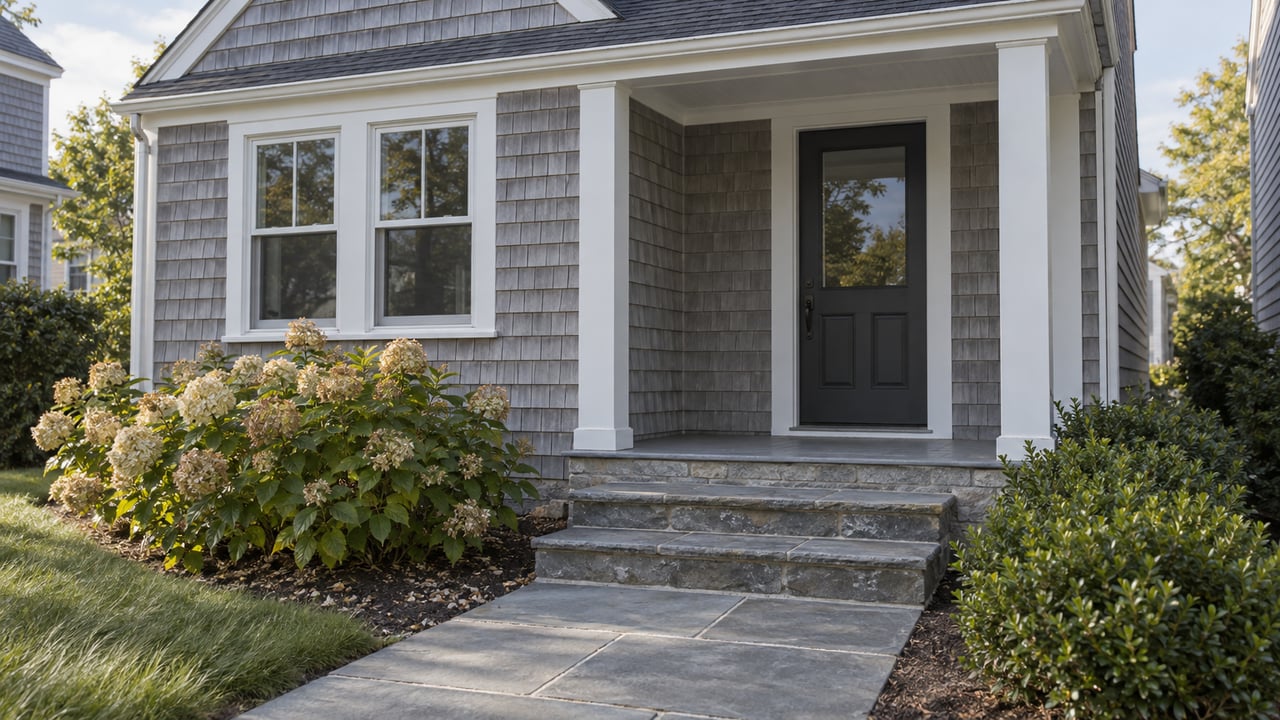
If your house feels bigger than your life needs right now, you are not alone. In Lincoln, many homeowners are thinking about whether a condo could mean less upkeep, a simpler monthly budget, and an easier next chapter. The key is knowing that downsizing is not just about moving into a smaller space. It is about making a smart financial and lifestyle shift with clear eyes. Let’s dive in.
Why downsizing is a real conversation in Lincoln
Lincoln has a strong base of longtime homeowners, with an owner-occupied housing rate of 72.1%. About 24.0% of residents are age 65 and older, which helps explain why many local homeowners are weighing what comes next after years in the same house.
The market also matters. As of May 31, 2026, Zillow reports an average Lincoln home value of $556,185, while Redfin shows a median sale price of $446,733 over the last three months and a median market time of 29 days. For many homeowners, that creates an important question: can the equity in your current house help fund a lower-stress move into a condo?
Lincoln condo supply is limited
One big factor is inventory. Redfin shows only 10 condos for sale in Lincoln, with a median listing price of $339K. That does not mean downsizing is impossible, but it does mean you may need to plan early and shop carefully if you want to stay in town.
Limited condo supply can affect both timing and negotiating power. If you are hoping to sell your house and buy a condo in Lincoln, it helps to think through the sequence before your home hits the market.
House to condo means a new cost structure
A condo can reduce some of the day-to-day work that comes with a larger house, but the financial picture changes. Instead of focusing only on purchase price, you need to compare your full monthly cost in each property.
That comparison usually includes:
- Mortgage payment, if financing is involved
- Property taxes
- Condo association dues
- Personal insurance costs
- Possible special assessments
- Utility and maintenance differences
A condo is not always cheaper than a house. A smaller purchase price can be offset by monthly dues, insurance details, and association-related fees.
Lincoln property taxes should be part of your math
Lincoln’s 2026 residential tax rate is $13.98 per $1,000 of assessed value. That means your property tax bill may look very different depending on the assessed value of the house you sell and the condo you buy.
The town also lists homestead and senior-related exemptions or credits for eligible owner-occupants. If you qualify, those local programs can affect both your current carrying costs and the affordability of your next home. Before you make a move, it is worth reviewing how your tax picture may change.
What condo ownership changes in Rhode Island
Buying a condo in Rhode Island means buying into both a unit and an association structure. The condominium association can adopt budgets and reserves, collect common-expense assessments, regulate common elements, and charge certain fees tied to ownership and resale.
That matters because your decision should go beyond the layout, finishes, and location of the unit itself. You also want to understand how the association is run, how well it plans ahead, and whether the monthly dues match the condition and financial health of the property.
Condo documents matter before you commit
On a Rhode Island condo resale, the seller must provide key documents and disclosures. These include the declaration, bylaws, rules or regulations, and a resale certificate with details such as:
- Monthly common expenses
- Unpaid special assessments
- Other owner fees
- Planned capital expenditures for the next two fiscal years
- Reserve balances
- Recent financial statements
- The current budget
- Pending judgments or lawsuits
- Insurance coverage
- Known code issues
- Any remaining leasehold term, if applicable
The association must provide the certificate information within 10 days of request, and it may charge up to $125 for preparing it. For you as a buyer, this is critical due diligence, not extra paperwork.
Ask about reserves, assessments, and rules
When you move from a house to a condo, some of the expenses you used to control on your own become shared through the association. That is why you should ask early about reserve funds, recent increases in dues, and any planned capital projects.
You should also review the rules and regulations carefully. They can shape day-to-day living, move-in logistics, and future costs in ways that are easy to overlook when you are focused on finding the right floor plan.
Insurance works differently with condos
Insurance is another area where downsizers can get surprised. Rhode Island law requires strong association coverage, but that does not mean the association covers everything inside your unit or every deductible-related gap.
Before you buy, ask what the master policy covers, what deductibles apply, and what responsibility falls to the unit owner versus the association. You may still need personal insurance to protect the inside of the unit and cover gaps that the master policy does not handle.
Budgeting your Lincoln move the smart way
The cleanest way to approach downsizing is to start with your likely net proceeds from the house you already own. Then compare that number against the full cost of the condo you want, not just the asking price.
For sellers in Rhode Island, real estate conveyance tax is part of that planning. The state sets the tax at $2.30 per $500 of consideration, and the seller generally pays unless the parties agree otherwise. An additional tax applies to residential conveyances over $800,000.
You may also want to consider potential capital gains treatment. The IRS says many homeowners may exclude up to $250,000 of gain, or up to $500,000 for a married couple filing jointly, if the ownership and use tests are met. For many homeowners, this is one more reason to plan the sale carefully before making the jump.
Older homes may need extra prep
If your current house was built before 1978, lead disclosure rules can affect your timeline. In Rhode Island, sellers of 1- to 4-unit residential dwellings built before 1978 must provide the required lead warning and disclosure language, share known lead hazards, and provide the EPA lead pamphlet.
The buyer must also be allowed a 10-day lead inspection period before becoming obligated under the purchase contract, unless an exemption applies. If your home is older, it is smart to gather paperwork early so your sale stays organized.
A low-stress downsizing sequence
Downsizing tends to go more smoothly when you break it into phases. Trying to do everything at once often creates stress, rushed decisions, and missed details.
A practical sequence looks like this:
- Estimate your likely net proceeds from selling the house.
- Review Lincoln tax costs and any local exemptions or credits you may qualify for.
- Build a full condo budget, including dues, insurance, and any likely fees.
- Request condo documents early so you can review reserves, budgets, and assessments.
- Decide whether selling before buying or buying before selling fits your finances best.
- Prepare your house in stages by decluttering first, then handling safety and deferred maintenance items, and saving cosmetic staging for last.
This kind of step-by-step plan can make the move feel much more manageable.
Selling first vs buying first
There is no one-size-fits-all answer here. If your main priority is financial clarity, selling first can help you know exactly how much equity you have to work with. That can make your condo search more focused, especially in a market with limited inventory.
If your main priority is avoiding a temporary housing gap, buying first may feel more comfortable, but it can also create more pressure if your house has not sold yet. In Lincoln, where condo availability appears tight, this decision deserves careful timing.
The real question is monthly fit
For many Lincoln homeowners, the best downsizing decision is not the smallest home or the cheapest list price. It is the option that gives you a better monthly fit for this stage of life.
That means looking at your equity, taxes, insurance, condo dues, and future maintenance together. When those pieces line up, moving from house to condo can feel less like giving something up and more like creating a home that fits you better now.
If you are thinking about downsizing in Lincoln, RI, a thoughtful plan can make all the difference. When you want patient, local guidance that keeps both the numbers and the human side of the move in focus, reach out to Chanthaly Morin.
FAQs
What should you review before buying a condo in Lincoln, RI?
- You should review the declaration, bylaws, rules, current budget, reserve information, planned capital expenditures, financial statements, insurance details, pending lawsuits or judgments, and any special assessments.
Is moving from a house to a condo in Lincoln always cheaper?
- No. A condo may have a lower purchase price, but monthly dues, insurance costs, special assessments, and other fees can change the overall cost.
How many condos are available in Lincoln, RI?
- Redfin’s Lincoln condo page showed 10 condos for sale, which suggests buyers may need to start early and stay flexible.
What is Lincoln, RI’s residential tax rate for 2026?
- Lincoln’s 2026 residential tax rate is $13.98 per $1,000 of assessed value.
What extra steps apply when selling an older house in Rhode Island?
- If the home was built before 1978, you may need lead disclosure paperwork, required warning language, and a 10-day lead inspection period for the buyer unless an exemption applies.